We’ve had the privilege of collaborating closely with Volker Strasser, Industry Advisor at Microsoft, who co-authored the Supply Chain 2.0 blog post. We asked him about where the industry is heading, how forecasting fits into the bigger picture, and what Microsoft’s integration strategy means for organizations getting started.
“Volker, the blog describes a shift from reactive supply chains to autonomous, agentic ones. Where does demand forecasting fit in that journey?”
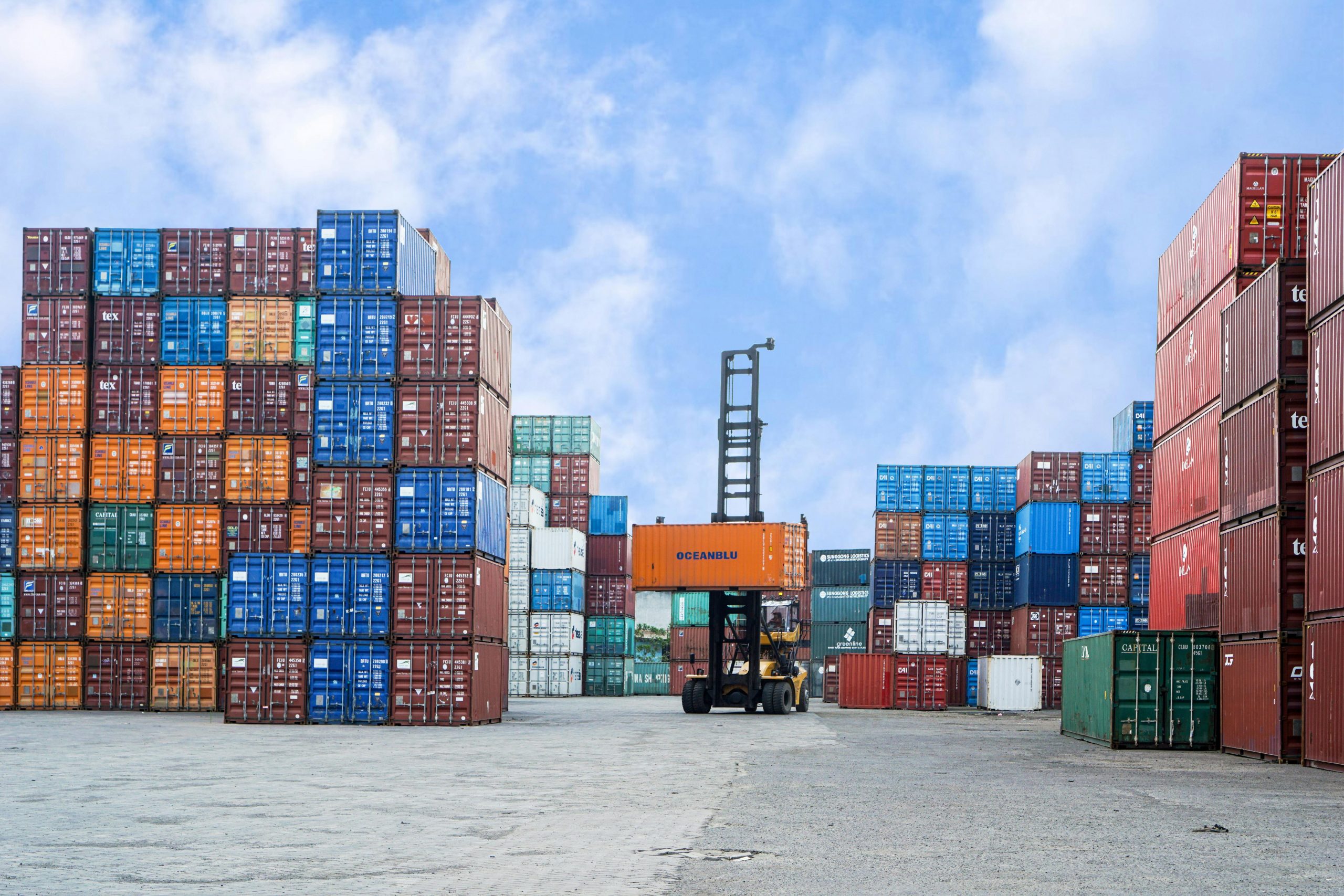
Demand forecasting is a main component in that journey. If your accuracy improves, you save significant cost and gain speed across the entire end-to-end supply chain. Take a simple example: if your forecast models save you three containers that you don’t have to ship, that’s three containers you don’t have to put on a vessel. The cost savings are immediate and tangible and that’s just one small example of the downstream impact.
— Volker Strasser, Industry Advisor, Microsoft
“The article highlights the importance of data unification. How critical is it that forecasting tools integrate with existing enterprise systems rather than creating new silos?”
It’s crucial. When you forecast, you create a plan, but the moment that plan hits reality, it changes. You need to run simulations, make decisions, adapt. If you have a compact and clear data foundation, you get better results in planning, in simulation, and in execution. You can exchange data across these stages and generate deeper insights. With siloed data, you get siloed decisions. With a broad, common ground, your decisions improve and that directly translates into business KPIs.
— Volker Strasser, Industry Advisor, Microsoft
“How does prognotix’s integration-first approach — connecting to Microsoft Fabric, Dynamics 365, and Power BI — relfect Microsoft’s strategy for the supply chain stack?”
If you try to build a data foundation that is perfect and fully aligned with everything from the start, it takes you ten years and you get nothing. You have to strike a balance. Horizontally, you need to think about your data foundation. Vertically, you need to focus on where you can achieve real wins in specific areas. Start with planning and forecasting, build the data foundation for that scenario, and then reuse it in the next phases for simulation and execution. That is also the strategy of Microsoft: with Fabric underneath, you connect all data from all systems, build data products on top, and feed them into AI and applications. You don’t have to do everything at once. You go step by step, but you always keep the big picture in perspective, focusing on vertical implementations that deliver direct business impact while building the horizontal foundation that serves all your needs over time.
— Volker Strasser, Industry Advisor, Microsoft
“Looking ahead, what role do you see AI-driven forecasting playing as supply chains become more agentic and autonomous?”
I think it’s one of the most important roles. You are forecasting resources, materials, containers, trucks, ships, airplanes, warehouse space. If you get this as precise as possible, it has a compounding effect on the rest of the supply chain, from warehousing to every kind of resource allocation. Think about building a house: if you do the planning correctly, the house looks exactly how you planned it. If the planning is a little bit fuzzy, the house could look fuzzy too. Forecasting is the major entrance point in the supply chain to get to real business impact, to your cash flow, your EBIT, your profit.
— Volker Strasser, Industry Advisor, Microsoft